
Latex work gloves for trades and industry
Latex work gloves combine a textile base with a natural rubber coating. Depending on the model, they provide a secure grip when working with rough or damp materials. When choosing gloves, the type of work, the fit and the certified performance ratings of the respective glove are key factors.
Work gloves with a latex coating
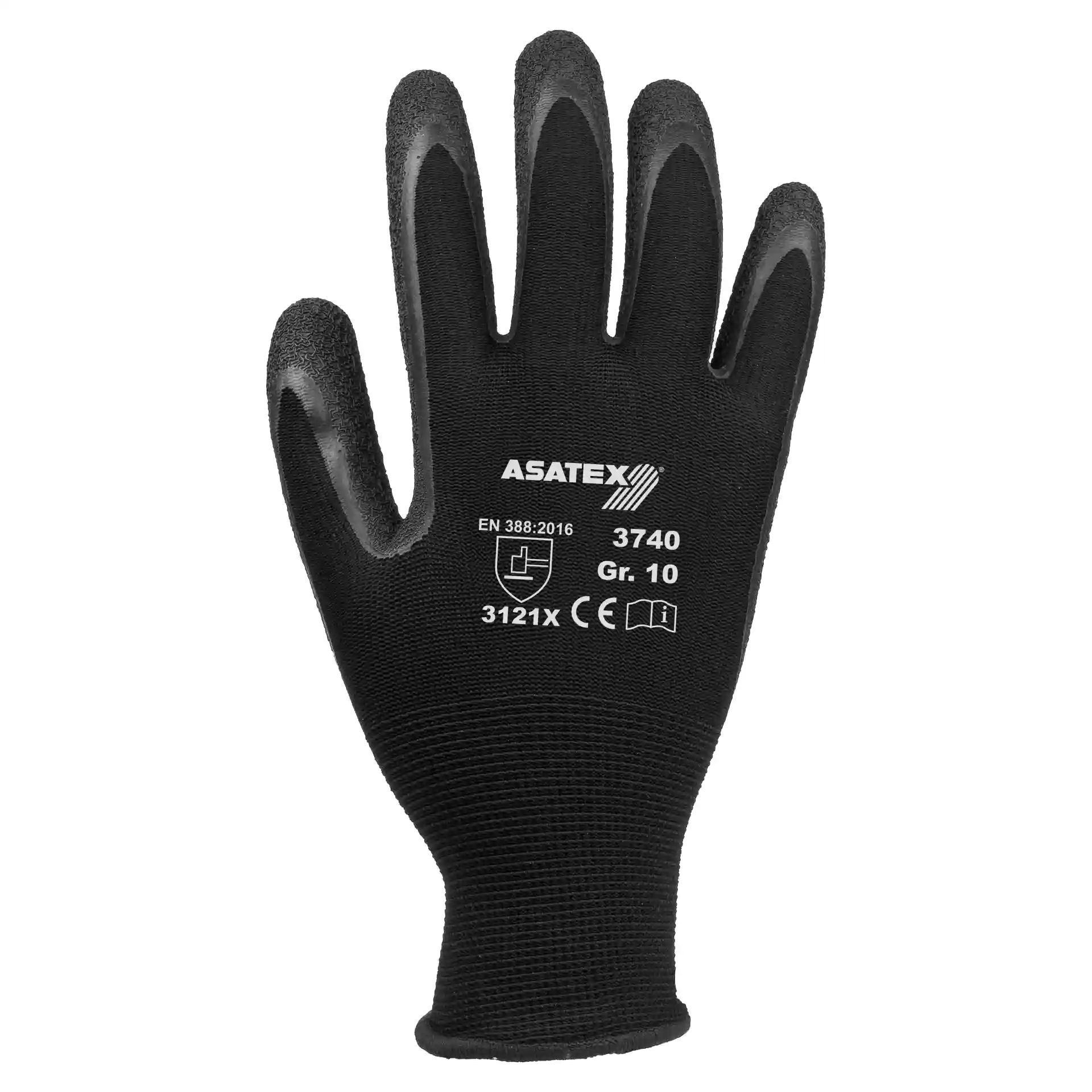
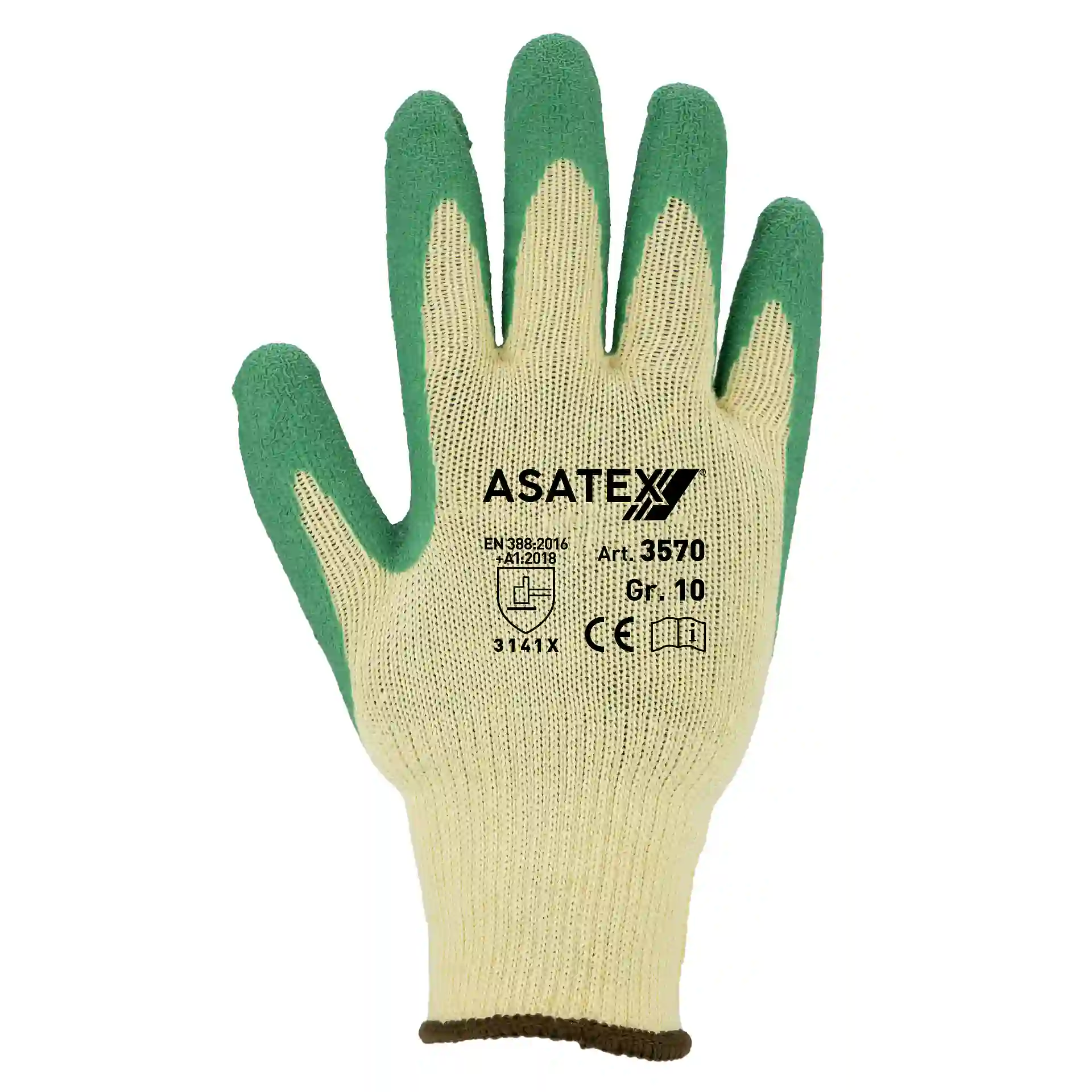
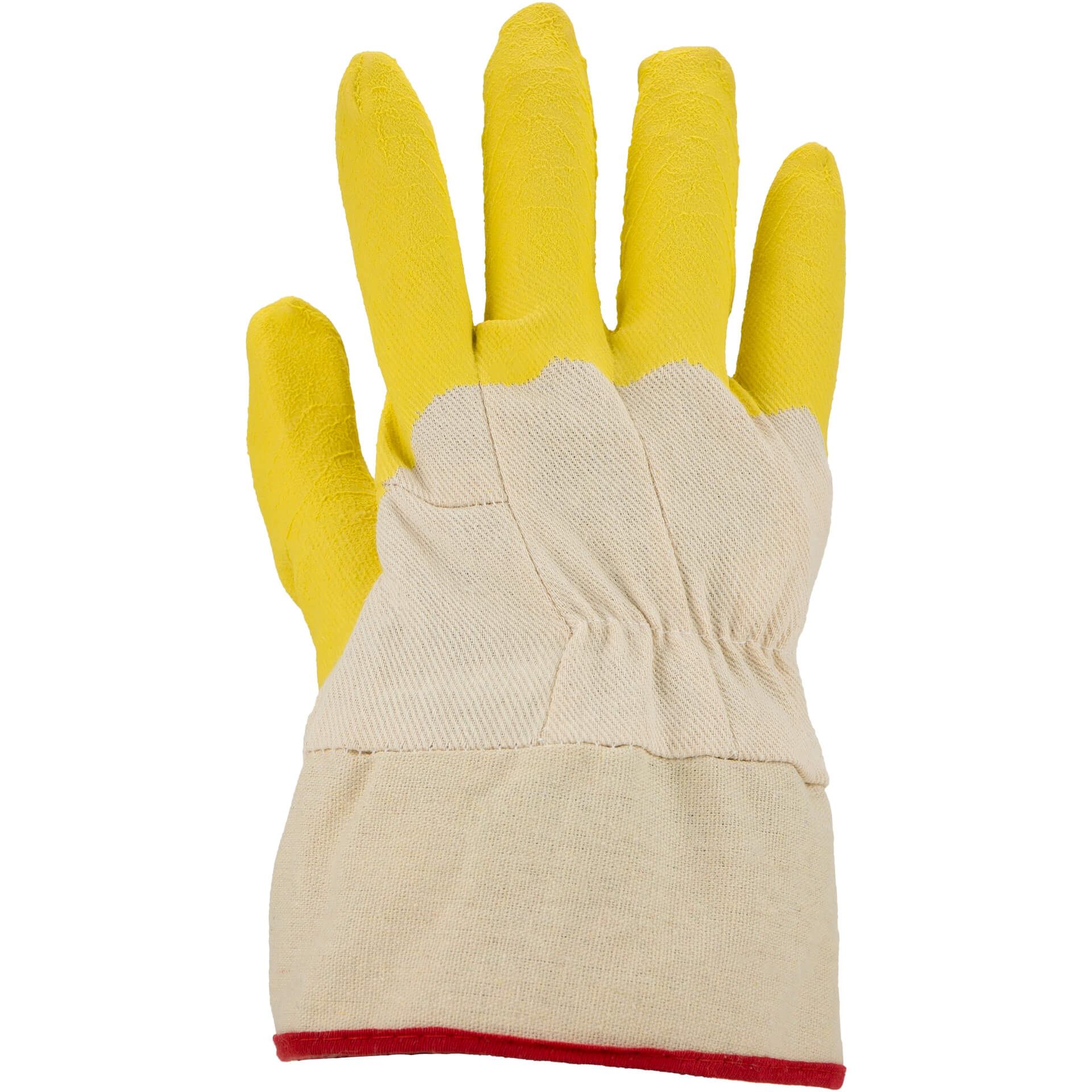
ASATEX models feature a textile liner, made from materials such as cotton or polyester. The latex coating is applied to the palm and fingertips. Differences in knitting style, cuff design and fit provide options to suit various work requirements.
Many models have a crinkled latex coating. Their textured surface can improve grip when working with wet or slippery objects. How well a glove grips also depends on the workpiece and the working conditions.

No prices for your customer group
No prices for your customer group
No prices for your customer group

No prices for your customer group
No prices for your customer group
Areas of application for latex work gloves
Latex-coated work gloves are suitable for use in, amongst other things, construction and scaffolding, transport, forestry, as well as in warehousing, logistics and recycling. Suitable protective latex gloves may also be an option for gardening and landscaping work.
The coating and a secure fit are particularly important selection criteria when handling rough, bulky or damp materials.
EN 388: comparing mechanical properties
For models bearing the relevant marking, the EN 388 specification provides information on tested properties relating to mechanical risks. These include abrasion, cuts, tearing and punctures. Depending on the test, an additional cut resistance rating in accordance with ISO 13997 or an impact protection marking may also be included.
The labelling makes it easier to compare gloves. Ensure that the performance ratings of the respective model match the requirements of the task.
Choosing the right latex glove
These criteria will help you choose:
- Surface: When working with rough, smooth or damp workpieces, the type of coating and surface texture can play an important role.
- Mechanical stress: Compare the EN 388 performance ratings of the respective model.
- Fit and flexibility: Size, knitted fabric and coated area all affect the fit and handling.
- Contact with oil, grease or chemicals: Check the specifications for the specific glove. Grip alone does not indicate resistance to these substances.
If you have a known natural latex allergy, you should choose a glove that is explicitly labelled as latex-free. Nitrile or PU-coated models may be an alternative, depending on the task.
This category includes reusable, textile-based work gloves with a latex coating. Disposable latex gloves can be found in the relevant product group.
FAQ
-
What does ‘shrink-textured’ latex coating mean?
The term describes a textured surface of the coating. It can improve grip on certain surfaces and under certain working conditions.
-
What does the EN 388 marking indicate?
It indicates tested performance values against mechanical risks, including abrasion, cuts, tearing and punctures. The specific values vary depending on the model.
-
What is the difference between latex and nitrile gloves?
Latex is made from natural rubber, whilst nitrile is made from synthetic rubber. The materials have different properties. The choice of glove depends on the task, the working conditions and the product specifications.
-
Are latex work gloves disposable gloves?
No. The models in this category are reusable, textile-based work gloves with a latex coating. Disposable latex gloves belong to a separate product group.